-
-
-
Zynova Shalby Hospital, Ghatkopar (W)
Tongue Cancer Treatment
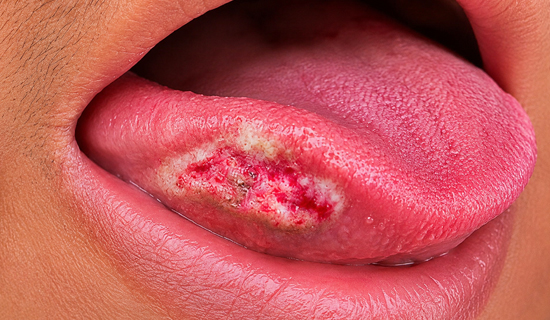
Tongue Cancer Treatment
Tongue Cancer is a type of oral cancer that develops in the tissues of the tongue and can affect speech, swallowing, chewing, and overall quality of life. It commonly occurs in people with a history of tobacco or alcohol use but may also develop due to other risk factors. Early diagnosis and specialized treatment play a crucial role in improving recovery and preserving tongue function. Dr. Abhishek Menon offers comprehensive evaluation, advanced tongue cancer surgery, reconstructive procedures, and personalized treatment to achieve the best possible outcomes.
Conditions Treated
Dr. Abhishek Menon provides specialized treatment for various tongue-related cancers and conditions, including:
-
Early Stage Tongue Cancer
-
Advanced Tongue Cancer
-
Lateral Border Tongue Cancer
-
Base of Tongue Cancer
-
Recurrent Tongue Cancer
-
Precancerous Tongue Lesions
-
Tongue Tumours
-
Neck Lymph Node Involvement
Symptoms
The symptoms of Tongue Cancer often develop gradually. If any of the following signs persist for more than two weeks, consult a Head & Neck Cancer Specialist.
-
Persistent ulcer or sore on the tongue
-
Pain or burning sensation while eating
-
Difficulty chewing or swallowing
-
Bleeding from the tongue
-
White or red patches on the tongue
-
Difficulty speaking clearly
-
Lump in the neck
-
Persistent bad breath
-
Unexplained weight loss
Prompt diagnosis and treatment significantly improve recovery and long-term outcomes.
Causes
Several lifestyle and medical factors increase the risk of developing Tongue Cancer, including:
Tobacco chewing and smoking
Excessive alcohol consumption
Betel nut (Supari) and Gutkha use
Human Papillomavirus (HPV) infection
Poor oral hygiene
Chronic irritation inside the mouth
Family history of cancer
Weak immune system
Treatment
Treatment for Tongue Cancer depends on the size, location, and stage of the tumour. Dr. Abhishek Menon offers individualized treatment plans with a focus on complete cancer removal while preserving speech, swallowing, and tongue function whenever possible.
Treatment options include:
Comprehensive Cancer Evaluation
Tongue Cancer Surgery
Partial Glossectomy
Total Glossectomy (When Required)
Neck Dissection Surgery
Microvascular Free Flap Reconstruction
Speech & Swallowing Rehabilitation
Multidisciplinary Cancer Care
Long-term Follow-up Care
Benefits of Early Treatment
Higher chances of successful treatment
Better speech and swallowing function
Preservation of tongue movement
Reduced risk of cancer spread
Less extensive surgery in early stages
Improved quality of life
Better long-term survival rates
Faster recovery with rehabilitation support
Prevention
While not every case can be prevented, adopting healthy habits can significantly lower the risk of Tongue Cancer.
Avoid tobacco, gutkha, and betel nut products.
Quit smoking and reduce alcohol consumption.
Maintain good oral hygiene and regular dental check-ups.
Consume a healthy diet rich in fruits and vegetables.
Get any persistent tongue ulcer or lesion examined promptly.
Attend regular follow-up visits if you have precancerous oral conditions.