-
-
-
Zynova Shalby Hospital, Ghatkopar (W)
Salivary Gland Cancer Treatment
Salivary Gland Cancer Treatment
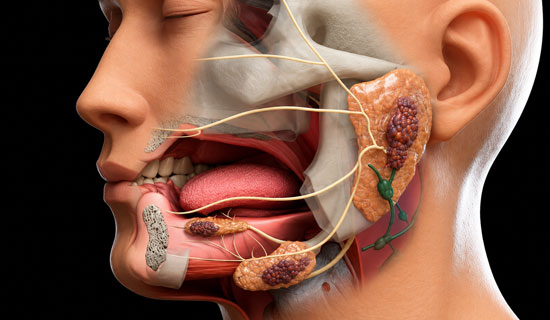
Salivary Gland Cancer is a rare type of head and neck cancer that develops in the salivary glands, including the parotid, submandibular, and sublingual glands. While many salivary gland tumors are benign, some can be cancerous and require timely diagnosis and specialized treatment. Dr. Abhishek Menon offers advanced evaluation, salivary gland cancer surgery, and personalized care with a focus on complete tumor removal, facial nerve preservation whenever possible, and improved quality of life.
Conditions Treated
Dr. Abhishek Menon provides comprehensive treatment for various salivary gland conditions, including:
Parotid Gland Cancer
Submandibular Gland Cancer
Sublingual Gland Cancer
Minor Salivary Gland Tumors
Benign Salivary Gland Tumors
Malignant Salivary Gland Tumors
Recurrent Salivary Gland Cancer
Neck Lymph Node Involvement
Symptoms
Salivary Gland Cancer may not cause pain in its early stages. Common symptoms include:
Painless swelling near the ear or jaw
Lump in front of or below the ear
Facial weakness or numbness
Pain around the jaw or ear
Difficulty opening the mouth
Difficulty swallowing
Enlarged neck lymph nodes
Persistent swelling that increases in size
If you notice persistent swelling near the jaw or ear, consult a Head & Neck Cancer Specialist for evaluation.
Causes
The exact cause of Salivary Gland Cancer is often unknown, but several factors may increase the risk.
Increasing age
Previous radiation exposure
Occupational chemical exposure
Family history of salivary gland tumours
Genetic mutations
Long-standing benign salivary gland tumours
Exposure to environmental toxins
Weak immune system
Treatment
Treatment depends on the type, size, and stage of the tumour. Dr. Abhishek Menon offers personalized treatment plans with emphasis on complete tumour removal while preserving facial nerve function whenever possible.
Treatment options include:
Comprehensive Cancer Evaluation
Superficial Salivaryectomy
Total Salivaryectomy
Facial Nerve Preservation Surgery
Neck Dissection Surgery
Reconstructive Surgery
Adjuvant Radiation Therapy (When Required)
Multidisciplinary Cancer Care
Long-term Follow-up & Surveillance
Benefits of Early Treatment
Higher chances of complete tumour removal
Better preservation of facial nerve function
Reduced risk of cancer spread
Improved cosmetic outcomes
Faster recovery and rehabilitation
Lower risk of recurrence
Improved quality of life
Long-term disease monitoring and support
Prevention
Although Salivary Gland Cancer cannot always be prevented, early detection and regular evaluation of persistent salivary gland swelling are essential.
Do not ignore persistent swelling near the ear or jaw.
Seek medical advice for facial weakness or numbness.
Avoid unnecessary radiation exposure whenever possible.
Maintain regular health check-ups if you have salivary gland disorders.
Follow scheduled follow-up visits after treatment.
Consult a specialist immediately if the swelling increases in size or becomes painful.